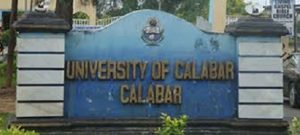
UNICAL Departmental cut-off mark 2026/2027 – updated
This page has been updated for the 2026/2027 admission cycle. At the JAMB Policy Meeting on Admissions into Tertiary Institutions, held in Abuja on 11 May 2026 and chaired by the Minister of Education, Dr Tunji Alausa, stakeholders agreed the national minimum admissible UTME scores for the new session. Anything you read on other sites quoting a 2022 or 2023 benchmark is out of date.
National minimum cut-off marks for 2026/2027
| Institution type | National minimum UTME score (out of 400) |
|---|---|
| Universities (federal, state and private) | 150 |
| Colleges of Nursing Sciences | 150 |
| Polytechnics and monotechnics | 100 |
| Colleges of education | 100 |
UNICAL Departmental is a university, so the national floor that applies to it is 150. That number is the absolute minimum JAMB will allow — it is not the score that gets you admitted.
General cut-off mark vs departmental cut-off mark — the difference that costs people admission
There are two separate numbers, and confusing them is the single most common reason candidates lose a place.
- The general (institutional) cut-off mark is the minimum score UNICAL Departmental will accept before it will even look at your application or invite you for screening. It can never be lower than the national minimum of 150, but the institution is free to set it higher.
- The departmental (course) cut-off mark is the score you actually need for the specific course you chose. Competitive courses — Medicine and Surgery, Nursing, Law, Pharmacy, Computer Science, Accounting, Mass Communication and Engineering — routinely sit far above the general cut-off, often in the 230–280 range at popular institutions, and sometimes higher.
JAMB stated plainly at the 2026 policy meeting that the approved scores are national minimum benchmarks only and do not guarantee admission. Institutions may adopt higher cut-off marks based on how competitive a course is, but they cannot admit anyone below the national floor.
How UNICAL Departmental actually decides who gets admitted
Meeting the cut-off mark puts you in the pool. Selection is then made on a combination of:
- Your UTME score — usually weighted 50%.
- Your Post-UTME or screening score — usually the other 50%, where screening is conducted.
- Your O’Level result — five credit passes including English Language and Mathematics for most courses, plus the subject combination your course requires. Some institutions convert your O’Level grades into points and add them to the aggregate.
- Catchment area and educationally less developed states quotas, which apply to federal and state institutions.
- Whether UNICAL Departmental was your first choice on the JAMB form. First-choice candidates are considered before second-choice candidates in almost every case.
How to check the UNICAL Departmental departmental cut-off mark for your course
Do not rely on figures copied between blogs. Check the source:
- Log in to the JAMB eFacility portal at efacility.jamb.gov.ng with the email and password you used to register.
- Open CAPS (Central Admission Processing System) and check your admission status there. CAPS is the only official record of whether you have been offered a place.
- Visit the official UNICAL Departmental website and look under Admissions, Post-UTME or Screening for the current session’s advertised requirements.
- Call or email the UNICAL Departmental admissions office directly if the site has not been updated. Departmental figures are frequently released only after screening closes.
One important caveat: many departmental cut-off marks are set after the fact. The institution ranks everyone who applied for the course, admits down the list until the places are filled, and the score of the last person admitted becomes that year’s departmental cut-off. That is why last year’s figure is a guide, not a promise.
2026/2027 admission deadlines you must not miss
- Public universities: admissions must be concluded on or before 31 October 2026.
- Private universities: 30 November 2026.
- Polytechnics, monotechnics and colleges of education: 31 December 2026.
- Accepting your offer: once an offer appears on CAPS you have four weeks to accept it. Offers not accepted within that window are withdrawn.
As a university, UNICAL Departmental works to the 31 October 2026 deadline. Check CAPS regularly from the moment results are released — candidates lose admission every year simply because nobody told them an offer was sitting there.
New for 2026/2027: NCE and agricultural ND candidates no longer need UTME
A significant change was announced at the 2026 policy meeting. Candidates seeking admission into the Nigeria Certificate in Education (NCE) programme with a minimum of four credit passes are no longer required to sit the UTME. The same applies to candidates seeking National Diploma admission in non-technology agricultural and agriculture-related courses.
These candidates must still register with JAMB, and their credentials are screened, verified and certified before admission letters are issued through CAPS. The stated aim is to widen access to teacher education and agriculture while easing pressure on the UTME system.
What to do if your score is below the UNICAL Departmental cut-off mark
A low score is a setback, not the end of the process. Realistic options:
- Change of course. Switch to a less competitive course in the same institution. A score that will not carry Medicine may comfortably carry a related science course.
- Change of institution. Use the JAMB change of institution/course service on your eFacility profile. State institutions and newer federal institutions typically have lower departmental cut-offs than the older, well-known ones.
- Polytechnic route. With a national minimum of 100, polytechnics are open to far more candidates. Do ND, then HND, then a top-up — many employers do not distinguish.
- NCE route. From 2026/2027 you can enter NCE with four O’Level credits and no UTME at all, then progress to a degree.
- IJMB, JUPEB or a pre-degree programme. These give direct entry into 200 level and bypass the UTME cut-off entirely, though they cost money and take a year.
- Part-time, sandwich or distance learning programmes at NUC-accredited institutions.
- Sit the UTME again. If your target course is genuinely worth it, one more attempt with proper preparation beats four years in a course you will not finish.
Mistakes that cost candidates admission every year
- Choosing UNICAL Departmental as second choice, then expecting first-choice treatment.
- Missing the Post-UTME or screening registration window entirely.
- An O’Level subject combination that does not match the course requirement — a common one is applying for a science course without Physics or Further Mathematics.
- Never logging in to CAPS, so an offer expires unaccepted.
- Paying “admission agents” who promise a place. UNICAL Departmental does not sell admission, and JAMB has repeatedly warned that CAPS is the only legitimate channel. If someone asks you for money to secure admission, it is a scam.
- Uploading O’Level results late. Results not uploaded to your JAMB profile are treated as if they do not exist.
Frequently asked questions
What is the UNICAL Departmental cut-off mark for 2026/2027?
The national minimum applicable to UNICAL Departmental is 150. The institution may set a higher general cut-off, and individual departments almost always require more. Confirm the current figure on the official UNICAL Departmental admissions page before applying.
Does scoring above the cut-off mark guarantee admission?
No. JAMB stated at the 2026 policy meeting that the approved scores are minimum benchmarks and not automatic admission. Places are limited and awarded by ranking.
Can UNICAL Departmental admit someone below 150?
No. Institutions may go above the national minimum but are not permitted to admit below it.
Where can I see the official departmental cut-off marks?
On the official UNICAL Departmental website under Admissions or Post-UTME, and through your JAMB CAPS profile. Blog figures are historical estimates.
When will UNICAL Departmental conclude admissions for 2026/2027?
By 31 October 2026, in line with the deadlines set at the 2026 JAMB policy meeting.
How long do I have to accept an offer?
Four weeks from the date the offer appears on CAPS. After that it is withdrawn and the place goes to another candidate.
Do I still need the UTME for NCE?
Not from 2026/2027 if you hold at least four O’Level credit passes. You must still register with JAMB so your credentials can be verified through CAPS.
Related guides
- UNICAL Departmental school fees 2026/2027 – full breakdown
- JAMB cut-off marks 2026 for all courses
- More Nigerian admission and scholarship guides
Cut-off marks are set afresh each admission cycle and departmental figures change year to year. Always confirm the current requirement on the official UNICAL Departmental website or through JAMB CAPS before you apply or pay for anything.
UNICAL Cut-Off Mark for 2026/2027
For you to be admitted into a tertiary institution in Nigeria, it is very important you score high above the institution’s jamb cut-off mark as well as the departmental cut-off mark.
Here in this post, you will see the institution’s jamb cut-off mark and departmental cut-off points.
It is important you aim higher than the stated cut-off marks on this post; this is because the higher institution will first take candidates who scored 200 before others who scored less in a course with cut off mark of 180
UNICAL Departmental cut-off mark for 2026/2027
The jamb cut-off mark for UNICAL is 180 for the 2026/2027 session, it’s advised you aim higher above the cut-off mark to have increased chances of being admitted into the institution.
Here are the departmental cut-off marks or points for UNICAL Departmental
| FACULTY | DEPARTMENT | PROGRAMME | CUT OFF POINT | QUOTA | ||
|---|---|---|---|---|---|---|
| MERIT | LOCALITY | ELDS | ||||
| ARTS | ENGLISH AND LITERARY STUDIES | B.A HISTORY & INT’L STUDIES | 230 | 220 | 210 | 100 |
| ARTS | THEATRE AND MEDIA STUDIES | B A THEATRE AND MEDIA STUDIES | 235 | 220 | 215 | 60 |
| ARTS | ENGLISH AND LITERARY STUDIES | B.A. (ENGLISH & LITERARY STUDIES) | 240 | 230 | 222 | 60 |
| ARTS | MODERN LANGUAGES AND TRANSLATION STUDIES | B.A HONS FRENCH | 200 | 185 | 180 | 50 |
| ARTS | LINGUISTICS AND COMMUNICATION STUDIES | B.A. LINGUISTICS AND COMMUNICATION | 225 | 215 | 205 | 50 |
| ARTS | RELIGIOUS & CULTURAL STUDIES | B. A. RELIGIOUS & CULTURAL STUDIES | 200 | 185 | 180 | 50 |
| ARTS | PHILOSOPHY | B. A. PHILOSOPHY | 210 | 185 | 180 | 60 |
| AGRIC. FORESTRY & WILDLIFE RESOURCES MGT | AGRIC. ECONOMICS AND EXTENSION | B.AGRIC (AGRIC. ECONOMICS & EXTENSION) | 190 | 180 | 180 | 70 |
| AGRICULTURE, FORESTRY, AND WILDLIFE RESOURCES MANAGEMENT | ANIMAL SCIENCE | B. AGRIC. (ANIMAL SCIENCE) | 210 | 200 | 190 | 70 |
| AGRICULTURE, FORESTRY &WLR MGT. | AGRICULTURE, FORESTRY &WLR MGT. | B. AGRIC (SOIL SCIENCE) | 220 | 185 | 180 | 60 |
| AGRICULTURE, FORESTRY, AND WILDLIFE RESOURCES MANAGEMENT | FORESTRY AND WILDLIFE RESOURCES MGT | B.AGRIC.( FORESTRY & WILDLIFE) | 200 | 195 | 190 | 60 |
| ALLIED MEDICAL SCIENCES | MEDICAL LABORATORY SCIENCE | B.MLS | 235 | 222 | 215 | 80 |
| ALLIED MEDICAL SCIENCES | NURSING SCIENCE | Bachelor of Nursing Science (B.N.Sc.) | 240 | 225 | 215 | 80 |
| ALLIED MEDICAL SCIENCES | RADIOGRAPHY & RADIOLOGICAL SCIENCES | B.SC RADIOGRAPHY | 240 | 230 | 222 | 60 |
| ALLIED MEDICAL SCIENCES | PUBLIC HEALTH | B.Public Health (B.P.H.) | 210 | 190 | 180 | 70 |
| BASIC MEDICAL SCIENCES | HUMAN ANATOMY | B.Sc ANATOMY | 210 | 190 | 180 | 80 |
| BASIC MEDICAL SCIENCES | BIOCHEMISTRY | B. Sc. BIOCHEMISTRY | 210 | 200 | 195 | 100 |
| ALLIED MEDICAL SCIENCES | PHYSIOLOGY | B.Sc. PHYSIOLOGY | 200 | 185 | 180 | 90 |
| CLINICAL SCIENCES | MEDICINE & SURGERY | MB.BCh | 263 | 252 | 247 | 80 |
| EDUCATION | ADULT AND CONTINUING EDUCATION | B.ED ADULT EDUCATION | 190 | 180 | 180 | 30 |
| EDUCATION | EDU. ADMIN & PLANNING | B.Ed IN EDU ADMIN & PLANNING | 210 | 185 | 180 | 50 |
| EDUCATION | EDUCATIONAL FOUNDATIONS, GUIDANCE, AND COUNSELLING | B.Ed GUIDANCE AND COUNSELLING | 210 | 200 | 180 | 50 |
| EDUCATION | LIBRARY AND INFORMATION SCIENCE | BLIS | 205 | 195 | 180 | 50 |
| EDUCATION | HUMAN KINETICS & HEALTH EDUCATION | B.Sc (Ed.) HUMAN KINETICS & HEALTH EDUCATION | 200 | 190 | 180 | 50 |
| EDUCATION | VOCATIONAL AND SPECIAL EDUCATION | B.Sc (Ed) BUSINESS EDUCATION | 210 | 200 | 180 | 25 |
| EDUCATION | VOCATIONAL AND SPECIAL EDUCATION | B.ED SPECIAL EDUCATION | 190 | 180 | 180 | 20 |
| EDUCATION | VOCATIONAL AND SPECIAL EDUCATION | B.Sc (Ed) AGRICULTURAL SCIENCE EDUCATION | 190 | 185 | 180 | 25 |
| EDUCATION | CURRICULUM & TEACHING | ENGLISH EDUCATION | 235 | 215 | 204 | 30 |
| EDUCATION | CURRICULUM & TEACHING | SOCIAL STUDIES | 215 | 190 | 180 | 20 |
| EDUCATION | CURRICULUM & TEACHING | EDUCATION GEOGRAPHY | 200 | 190 | 180 | 20 |
| EDUCATION | CURRICULUM & TEACHING | ENVIRONMENTAL EDUCATION | 215 | 190 | 180 | 20 |
| EDUCATION | CURRICULUM & TEACHING | ELEMENTARY EDUCATION | 200 | 190 | 180 | 20 |
| EDUCATION | CURRICULUM & TEACHING | EDUCATION CHEMISTRY | 185 | 180 | 180 | 25 |
| EDUCATION | CURRICULUM & TEACHING | EDUCATION BIOLOGY | 190 | 185 | 180 | 25 |
| EDUCATION | CURRICULUM & TEACHING | EDUCATION HISTORY | 200 | 190 | 180 | 20 |
| EDUCATION | CURRICULUM & TEACHING | EDUCATION ECONOMICS | 220 | 210 | 195 | 20 |
| EDUCATION | CURRICULUM & TEACHING | EDUCATION POLITICAL SCIENCE | 220 | 210 | 195 | 20 |
| EDUCATION | CURRICULUM & TEACHING | EDUCATION RELIGION | 190 | 180 | 180 | 20 |
| EDUCATION | CURRICULUM & TEACHING | EDUCATION MATHEMATICS | 200 | 190 | 180 | 25 |
| LAW | LAW | LL. B(HONS) | 269 | 260 | 255 | 130 |
| MANAGEMENT SCIENCES | ACCOUNTING | B.Sc ACCOUNTING | 238 | 226 | 220 | 70 |
| MANAGEMENT SCIENCES | BANKING & FINANCE | B.Sc BANKING & FINANCE | 210 | 200 | 190 | 60 |
| MANAGEMENT SCIENCES | MARKETING | B.Sc. MARKETING | 200 | 185 | 180 | 60 |
| MANAGEMENT SCIENCES | BUSINESS MANAGEMENT | B.Sc BUSINESS MANAGEMENT | 240 | 230 | 225 | 60 |
| SCIENCE | BOTANY | B.Sc | 190 | 180 | 180 | 70 |
| SCIENCE | GEOLOGY | GEOLOGY | 215 | 205 | 200 | 50 |
| SCIENCE | PURE AND APPLIED CHEMISTRY | CHEMISTRY | 190 | 180 | 180 | 140 |
| SCIENCE | MATHS/STATS & COMP. SC. | COMPUTER SCIENCE | 220 | 210 | 200 | 70 |
| SCIENCE | MATHS/STATS & COMP. SC. | MATHS/STATS | 195 | 180 | 180 | 70 |
| SCIENCE | PHYSICS | B.Sc APPLIED GEOPHYSICS | 210 | 185 | 180 | 70 |
| SCIENCE | PHYSICS | B.Sc PHYSICS (ELECTRONICS AND COMPUTER TECHNOLOGY) | 205 | 185 | 180 | 60 |
| SCIENCE | PHYSICS | B.Sc PHYSICS | 200 | 180 | 180 | 70 |
| SCIENCE | GENETICS & BIOTECHNOLOGY | B.SC. GENETICS & BIOTECHNOLOGY | 215 | 195 | 180 | 70 |
| SCIENCE | ZOOLOGY & ENV. BIOLOGY | B.Sc ZOOLOGY & ENV. BIOLOGY | 215 | 180 | 180 | 70 |
| SOCIAL SCIENCES | Sociology | B.Sc Sociology | 235 | 225 | 220 | 60 |
| SOCIAL SCIENCES | SOCIOLOGY | B.SC SOCIAL WORK | 215 | 200 | 185 | 58 |
| SOCIAL SCIENCES | GEOGRAPHY AND ENVIRONMENTAL SCIENCE | B.Sc. ENVIRONMENTAL RESOURCES MANAGEMENT (ERM) | 215 | 200 | 180 | 58 |
| SOCIAL SCIENCES | GEOGRAPHY AND ENVIRONMENTAL SCIENCE | B.Sc. GEOGRAPHY AND ENVIRONMENTAL SCIENCE | 220 | 207 | 195 | 60 |
| SOCIAL SCIENCES | PUBLIC ADMINISTRATION | B.SC. POLICY AND ADMINISTRATIVE STUDIES | 200 | 190 | 180 | 58 |
| SOCIAL SCIENCES | PUBLIC ADMINISTRATION | B.SC. PUBLIC ADMINISTRATION | 235 | 227 | 220 | 60 |
| SOCIAL SCIENCES | ECONOMICS | B.SC. ECONOMICS | 245 | 234 | 230 | 70 |
| SOCIAL SCIENCES | POLITICAL SCIENCE | B.Sc. POLITICAL SCIENCE | 235 | 225 | 220 | 60 |
UNICAL Departmental POST UTME CUT OFF MARK
After reading the cut-off marks, it will interest you to know that the unical post utme is out, so kindly check the details on how to apply
Read and do your best in the post utme exam as this will increase your chances greatly, Thanks for reading this topic on our web page, and please do well to bookmark us and check out other related posts as well.
Good luck with your endeavors, we truly care.